
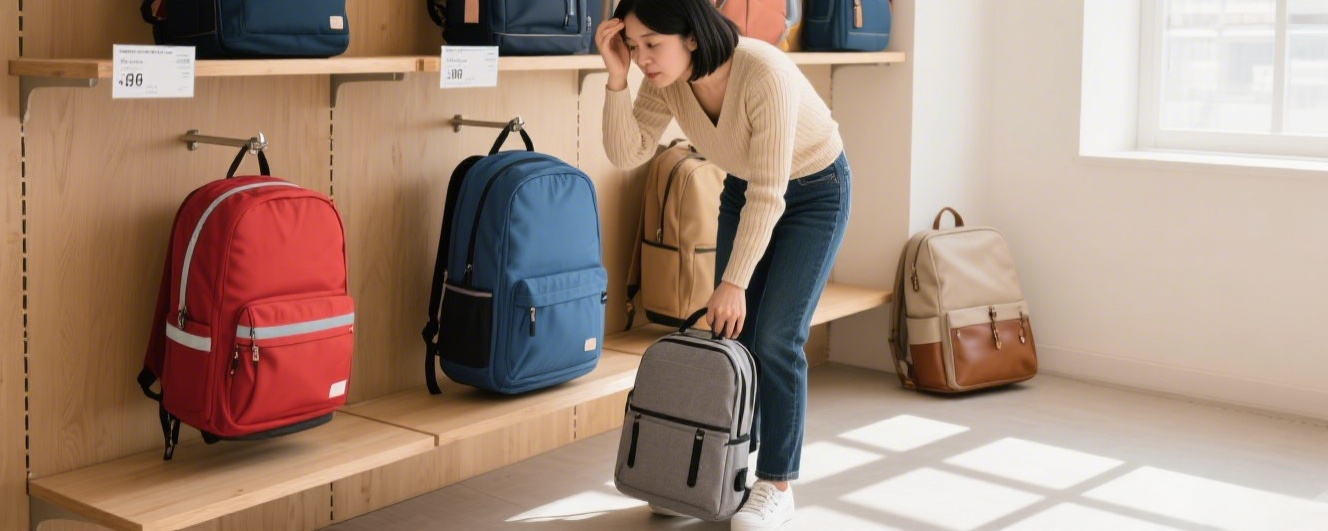
Backpacks come into daily contact with a child's body and skin. Choosing a safe, non-toxic bag is essential. Here's how you can tell if a backpack is truly non-toxic:
1. Check for Certifications
Look for third-party international certifications such as:
| Certification | What It Covers |
|---|---|
| REACH (EU) | Restricts use of harmful chemicals |
| CPSIA (USA) | Limits lead, phthalates in children’s products |
| RoHS | Restricts heavy metals, toxic additives |
| OEKO-TEX Standard 100 | Ensures textiles are free from harmful substances |
✅ Backpacks with these certifications have passed strict safety standards.
2. Smell Test
A non-toxic backpack should have no strong odor.
-
Avoid products that smell like plastic, chemicals, or strong perfumes.
-
Pay special attention to zippers, straps, and inner linings — these often reveal hidden toxic components.
3. Check Material Labels
-
Look for claims like "non-toxic," "BPA-free," "PVC-free," "eco-material"
-
Look for materials like EVA, PP, nylon, polyester, which are generally safe.
-
Responsible brands often provide clear information about materials and safety testing.
4. Touch and Observe the Finish
-
Non-toxic materials feel natural and smooth, not sticky or greasy.
-
Watch out for materials that feel rough, overly shiny, or have odd textures.
-
Check details like stitching, paint on zippers, and finishes — avoid poorly made products.
5. Trust the Brand Reputation
-
Choose brands that are transparent about materials and have positive reviews from other parents.
-
Read feedback — if others mention strong smells or health concerns, stay away.